What It’s Like Living In Gold Springs
February 5, 2026
February 5, 2026
Thinking about a foothill home where you can grab coffee in a Gold Rush town and be on a trail by lunch? In Gold Springs, near the historic streets of Columbia, that balance is part of daily life. If you want a quieter pace, more outdoor space, and a setting shaped by history and nature, this guide will help you imagine what living here feels like. Let’s dive in.
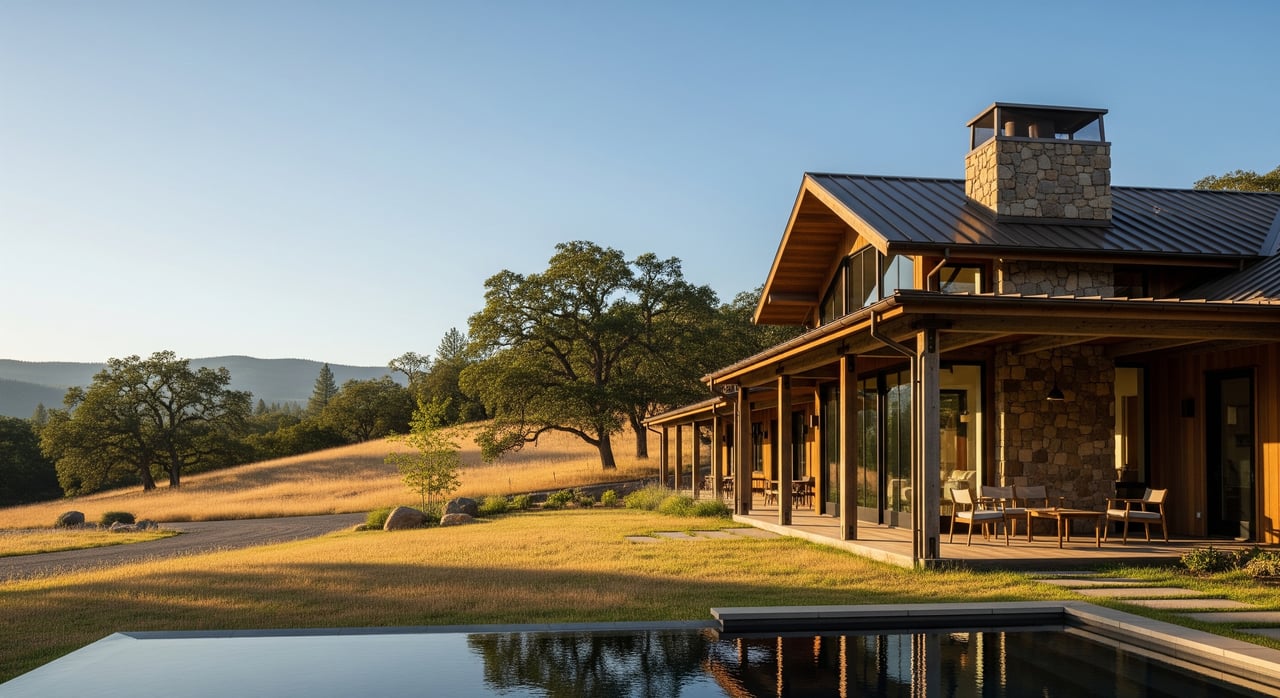
Gold Springs sits in the Sierra Nevada foothills of Tuolumne County, close to Columbia State Historic Park. The landscape features rolling, oak-dotted ridges with mixed conifers appearing at higher elevations. The historic park adds a unique rhythm to the area with seasonal events and visitors alongside everyday local routines. Most services are rural in character, with county-level support shaping the basics of life here.
Law enforcement typically falls under the Tuolumne County Sheriff. County agencies handle many road needs and maintenance on public routes. Fire protection often includes volunteer resources and Cal Fire coverage in the broader foothill region. Public transportation is limited, so you usually rely on a car for daily errands.
Housing in and around Gold Springs reflects foothill living and the area’s Gold Rush history. You’ll see a mix of styles and lot sizes that feel more spacious than urban neighborhoods.
Common home types include:
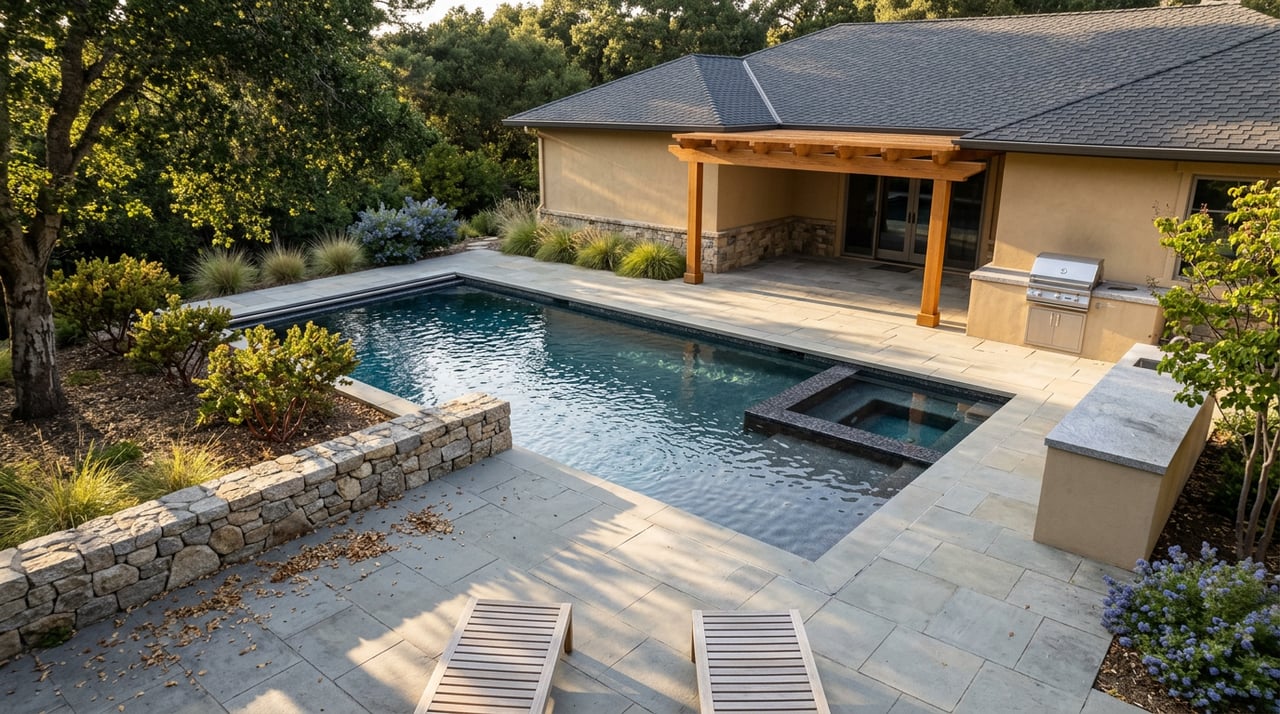
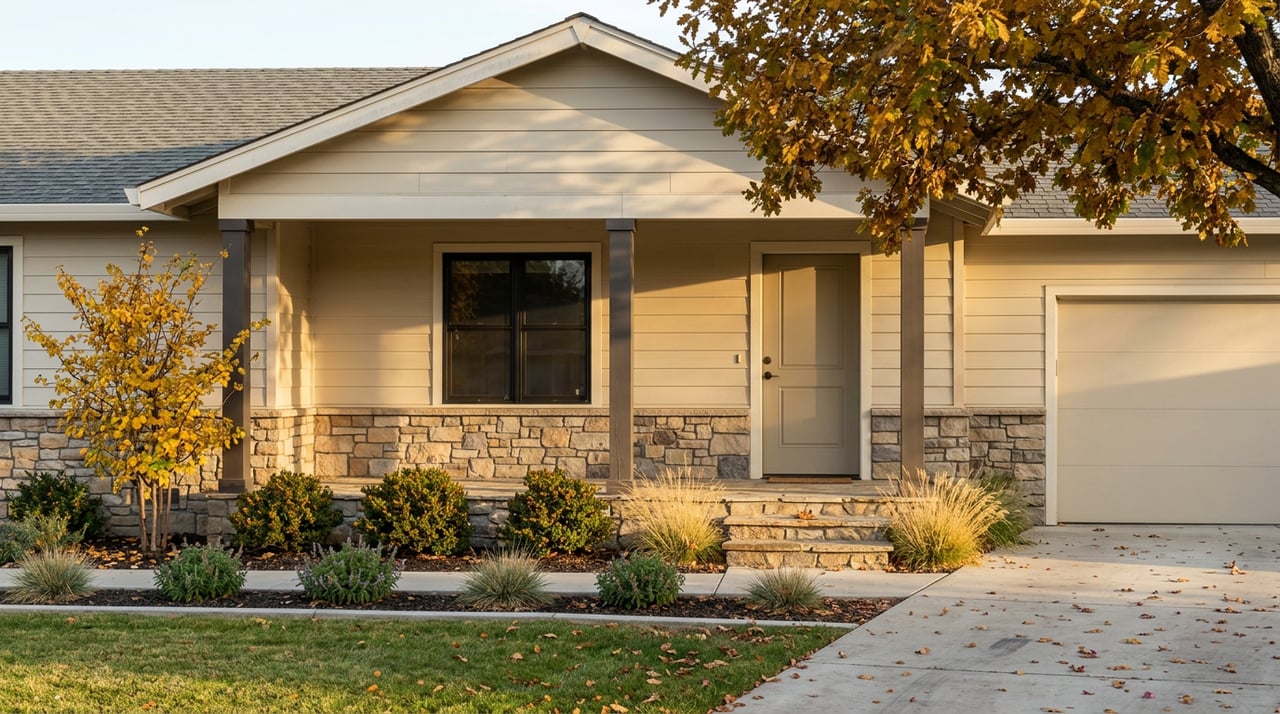
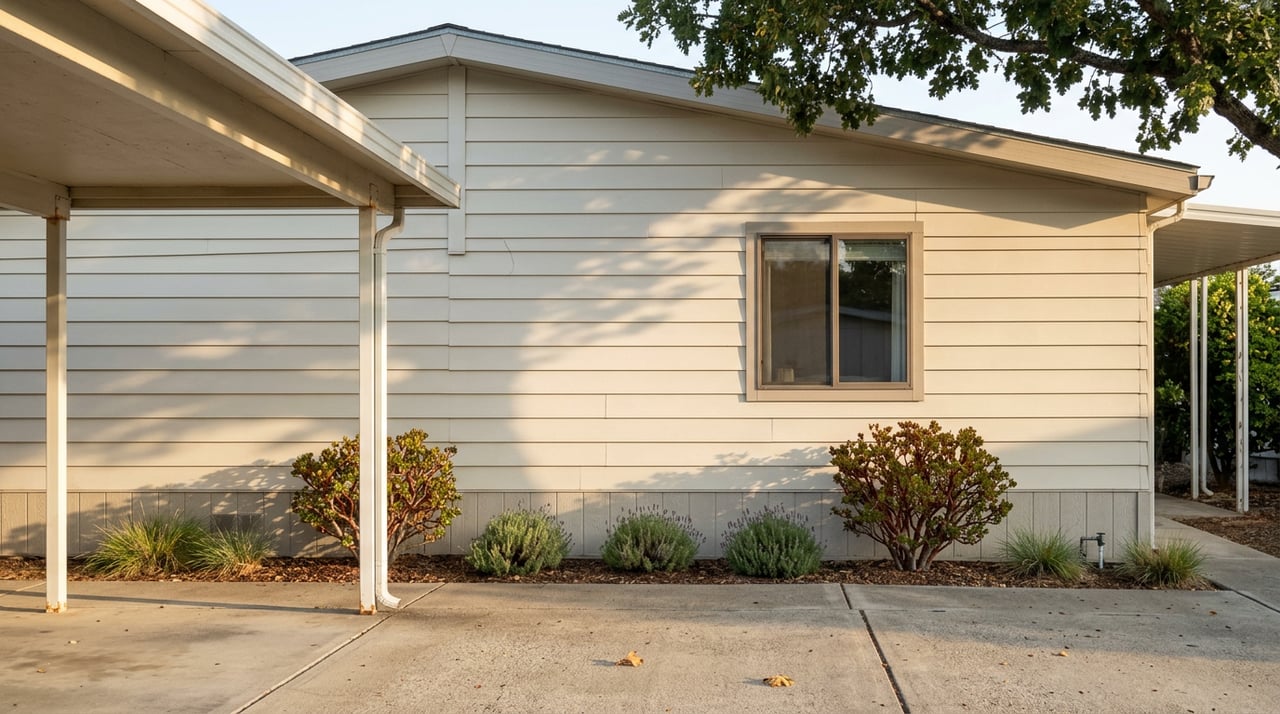
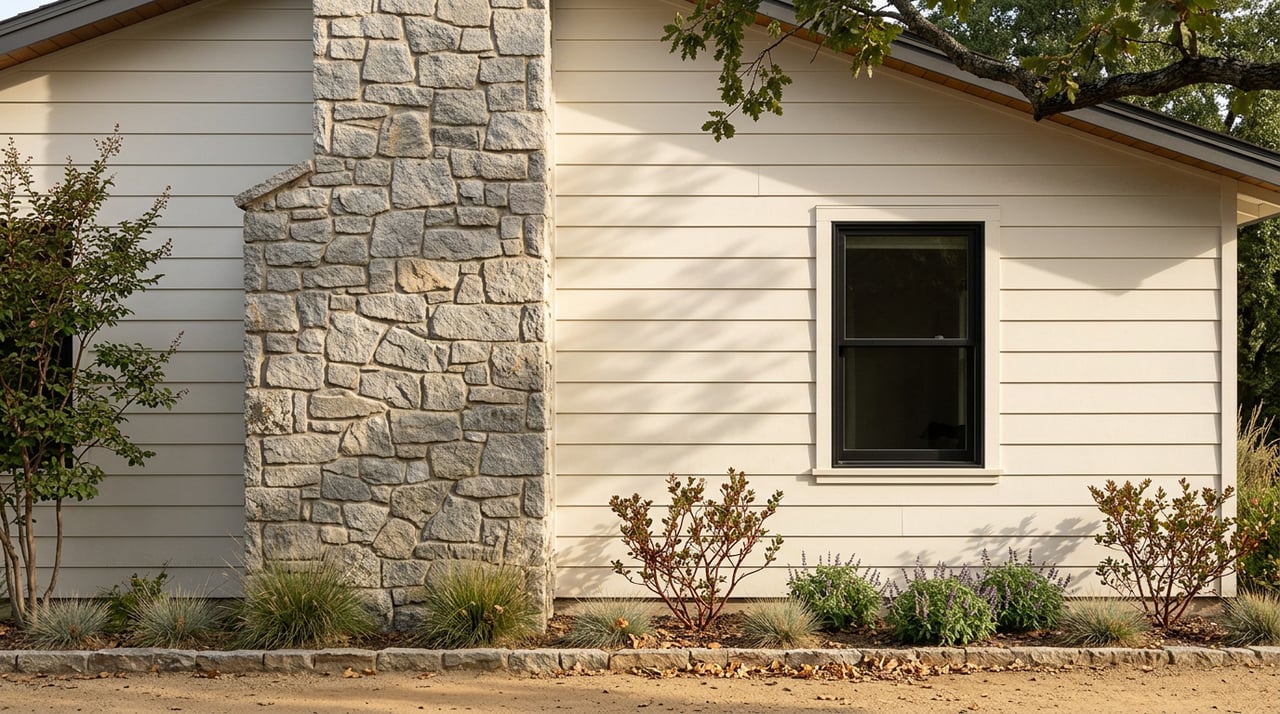
Many properties are designed with the foothill climate in mind, using covered porches, shaded outdoor areas, and materials such as wood siding, stucco, and metal roofs. Driveways can be longer or steeper than in town settings, and some smaller lanes may feel narrow. If you value elbow room, privacy, and a connection to the outdoors, these home and lot styles will likely fit your lifestyle.
Gold Springs appeals to you if you want a quieter, semi-rural pace without giving up access to a charming historic downtown. It also suits weekend or second-home owners who want to hike, explore, and relax without a long drive to amenities. If you enjoy sunrise on the deck, starry night skies, and a sense of place rooted in Gold Rush history, this neighborhood aligns with your goals.
Columbia State Historic Park provides a walkable, historic main street experience with shops, cafés, and living-history programs. Expect a local calendar of events and a bit of seasonal visitor energy that adds variety to the week. For daily needs, larger grocery, medical, and retail options are typically available in nearby Sonora, the county seat. Most residents plan errands around driving, consolidating trips for efficiency.
If you rely on deliveries or trades, you’ll find local providers familiar with foothill properties. Rural road conditions can vary by season, so it helps to schedule larger projects and deliveries with weather and access in mind.
Living near Columbia puts you close to foothill trails and public lands for hiking, trail running, and casual nature walks. The state historic park offers immersive Gold Rush-era experiences like gold panning demonstrations and visits to preserved buildings. Within a wider radius across Tuolumne County, you will find rivers, lakes, and reservoirs that offer seasonal opportunities for fishing and boating.
Equestrian trails, hunting areas, and off-road recreation exist on regional public lands where permitted. Spring brings wildflower displays in oak woodlands, and fall often delivers a colorful canopy. Winters are generally mild to cool at foothill elevations, with light snow possible at higher spots but usually limited.
The foothills follow a Mediterranean pattern: hot, dry summers and cooler, wetter winters. You’ll enjoy a long outdoor season from spring through fall. Summer living typically blends early-morning hikes with shaded afternoons and evening breezes on the porch. Winter brings green hillsides, more frequent rain, and the occasional cold snap.
Because summers are dry, many homeowners make water-wise choices in landscaping and daily routines. If you are moving from a coastal or valley climate, you will likely appreciate the crisp seasonal changes and big-sky sunsets.
Wildfire risk is a reality in the Sierra Nevada foothills. Homeowners commonly maintain defensible space, trim trees and brush, and keep gutters and roofs clear. You will also see neighbors prepare evacuation plans and monitor local fire-safe guidance and seasonal burn restrictions.
Insurance availability and pricing can be influenced by wildfire exposure. It is smart to consult with local insurance professionals early, plan for annual property maintenance, and keep documentation of mitigation steps. Doing the basics well helps protect your home and supports long-term insurability.
Many foothill properties use private wells and septic systems. If you are buying, verify well depth, water quality, and septic condition during inspections and contingency periods. Some pockets may have public water or sewer, but this varies by street and parcel, so confirm details for any specific property.
Electric service is typically provided by regional utilities serving Tuolumne County. Internet and cell coverage can vary by micro-location, terrain, and provider. If remote work matters to you, test coverage at the property and confirm service options and typical speeds before you commit. Driveway grading, drainage, and seasonal road access are also important to evaluate during due diligence.
Life in and around Gold Springs is relaxed and nature-forward. The historic park anchors community events, and small-town commerce ties neighbors together. Visitor activity can pick up during weekends and festivals. Weekdays tend to be quieter. Many residents enjoy volunteering, joining local clubs, or supporting community projects.
Even simple routines feel elevated here. A morning walk might include a view of oak-studded hills and a stop in Columbia for a pastry. Evenings often end on the deck, listening to crickets and watching the sky fade into stars.
Use these practical steps to make a confident decision:
If you are selling, lead with the lifestyle. Highlight usable outdoor spaces, defensible-space improvements, and any upgrades that support foothill living, like metal roofing, energy efficiency, or water-wise landscaping. Pre-list inspections for well and septic can build buyer confidence. Quality photography and video that showcase the setting, not just the structure, will help your property stand out.
Buying or selling in Gold Springs benefits from a guide who understands foothill homes, rural utilities, and the rhythm of life near Columbia. Our team combines local leadership with modern marketing and hands-on support from search to closing. Whether you are planning a move, a weekend retreat, or a long-term hold, we’ll help you make a smart move with clarity and confidence.
Ready to explore homes or get a strategic plan for selling? Reach out to Tuolumne Homes for expert guidance rooted in Tuolumne County.
Stay up to date on the latest real estate trends.

Get assistance in determining current property value, crafting a competitive offer, writing and negotiating a contract, and much more. Contact me today.