
Creating A Strategic Apple Valley Home Selling Plan
May 28, 2026
May 28, 2026
If you want to sell an Apple Valley home in Phoenix Lake, a "for sale" sign and a few photos are not enough. In this part of Tuolumne County, pricing, property condition, wildfire readiness, and even driveway access can shape how buyers respond. The good news is that with a smart plan, you can reduce surprises and make your home easier to understand, easier to show, and easier to sell. Let’s dive in.
A strong selling plan begins with the market you are actually in, not the market you assume you are in. Apple Valley should be viewed as part of the Phoenix Lake area, where a small number of monthly sales can make pricing feel less straightforward. That is why neighborhood-level comparable sales matter more than broad county averages.
Recent data shows a market that is active but still sensitive to price and presentation. Redfin reported 8 sales in Phoenix Lake in March 2026, with a median sale price of $538,000, median days on market of 14, a 96.0% sale-to-list ratio, and 12.5% of homes selling above list. Realtor.com’s March 2026 snapshot showed 43 homes for sale, a median list price of $517,000, median 45 days on market, and a 100% sale-to-list ratio.
Those numbers use different methods, but they point to the same takeaway. Well-positioned homes can still perform strongly, yet sellers should not assume any price will work. In a smaller market like Phoenix Lake, the right strategy is usually built from recent nearby comps, current competition, and the specific strengths and weaknesses of your property.
Tuolumne County’s broader numbers can be useful as background, but they should not drive your list price. Zillow reported a typical Tuolumne County home value of $393,446 as of April 30, 2026, with a median sale price of $374,983 for March 31, 2026. Those figures sit well below recent Phoenix Lake snapshots, which shows how different submarkets can be.
If you price from the county average alone, you risk missing the mark. You could come on too high and lose momentum, or too low and leave value on the table. A strategic seller plan focuses on the homes buyers will compare to yours, not just the county headline numbers.
Before you think about marketing, think about what a buyer will notice in the first few minutes. Deferred maintenance, worn finishes, safety issues, and obvious exterior neglect can affect both showings and negotiations. A pre-list repair triage helps you decide what needs to be fixed now, what can be disclosed, and what should be reflected in the price.
In California, the Transfer Disclosure Statement, or TDS, describes the property’s condition and must be given to the buyer as soon as practicable and before title transfers. The California Department of Real Estate also states that material facts affecting value, desirability, and intended use that are not obvious from the required visual inspection must be disclosed. If disclosures are delivered late, a buyer may gain a statutory right to terminate.
That makes your prep work more than cosmetic. It is part of risk reduction. When you organize repairs and documentation before listing, you make your disclosures stronger and your negotiations more predictable.
If you are wondering how much prep is enough, start with the basics buyers and inspectors are most likely to notice:
This does not mean every seller needs a full remodel. It means your home should present as cared for, functional, and well-documented. In many cases, a practical punch list does more for your sale than expensive upgrades.
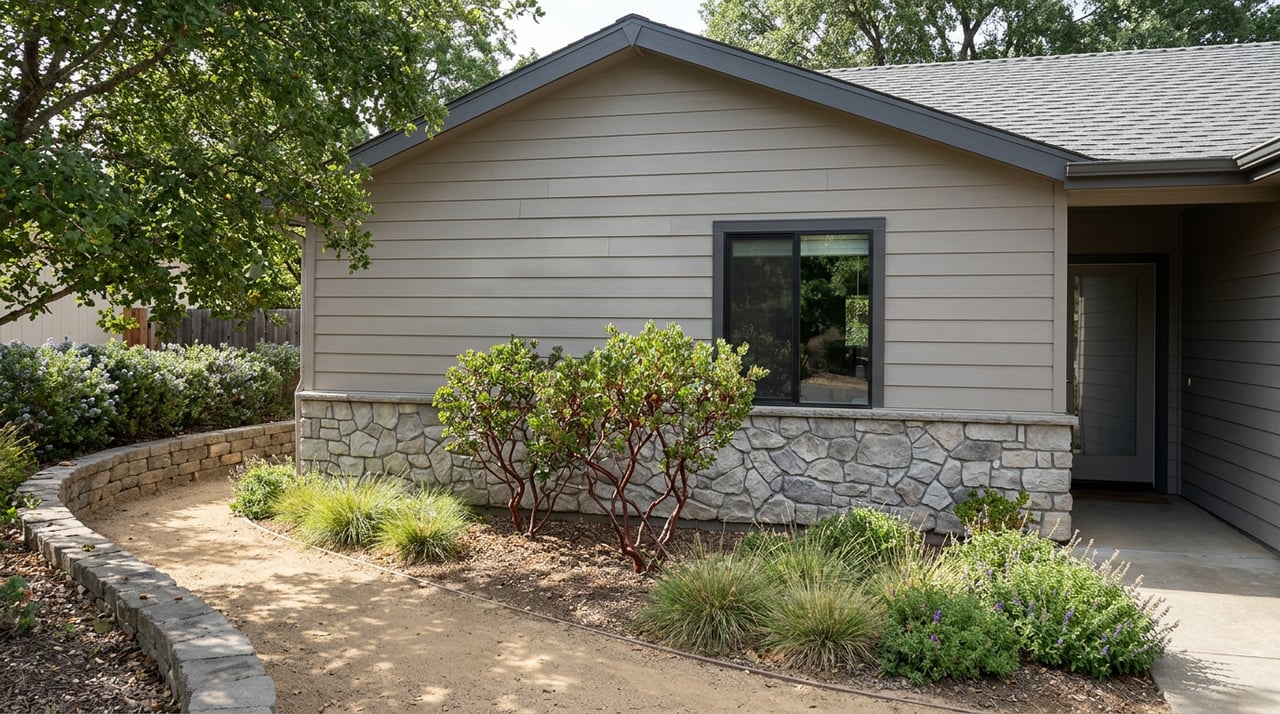
In Apple Valley and the broader Phoenix Lake area, wildfire readiness is not a side issue. It is part of how buyers evaluate property upkeep, insurability questions, and overall confidence. A strategic home selling plan should account for this early.
Tuolumne County states that defensible space is the required clearance around a structure. The county identifies Zone 0 as 0 to 5 feet, Zone 1 as 5 to 30 feet, and Zone 2 as 30 to 100 feet. The county’s Hazardous Vegetation Ordinance 8.14 applies in unincorporated areas and is intended to reduce fire potential and protect lives and property.
For sellers, this means vegetation management belongs on the pre-list checklist. Trimming back overgrowth, clearing flammable debris, and improving the immediate area around the home can help the property show better and feel better maintained. Tuolumne County also notes that it is not offering financial assistance for individual property improvements outside grant-funded projects, so it is smart to budget for this work yourself.
CAL FIRE states that Fire Hazard Severity Zone maps are hazard maps, not risk maps. They are based on factors such as fuel, terrain, climate, fire history, and ember movement, and the current State Responsibility Area maps took effect on April 1, 2024. In practical terms, you may not change a property’s official designation, but you can still improve buyer confidence by documenting the steps you have taken.
Useful documentation may include:
This type of preparation helps buyers see a home that has been actively managed, not one that leaves them guessing.
Many foothill properties have systems and features that need more explanation than a typical subdivision home. If your property has a septic system, private well, or older improvements, your records can make a big difference.
Tuolumne County’s Environmental Health Division oversees onsite wastewater systems and drinking water wells. County guidance states that standard septic systems should be inspected at least every 3 years and pumped as recommended, while alternative systems are generally inspected annually. If you have records, service invoices, maintenance logs, or as-built drawings, gather them before your home goes live.
This step can save time later. Buyers often feel more comfortable when they can review system history early, rather than waiting until inspections bring everything to the surface.
California’s 2025 DRE update says AB 968 requires sellers of single-family residential properties, if they obtained title within the previous 18 months, to disclose contractor-performed additions, structural modifications, alterations, or repairs over $500, along with contractor names and permit copies. If that applies to you, paperwork is not optional.
Even if your ownership timeline falls outside that rule, organized documentation still helps. It supports your disclosures, answers buyer questions faster, and can reduce back-and-forth during escrow.
Pricing is one of the most important parts of your selling plan because it affects everything else, from showing traffic to negotiating leverage. In Phoenix Lake, buyers do respond to value, and the data suggests that some homes move quickly while others take longer depending on their position in the market.
Redfin describes Phoenix Lake as somewhat competitive. It reports that average homes sell about 2% below list and go pending in around 47 days, while hot homes can sell about 2% above list and go pending in around 7 days. That range tells you something important: there is no one-size-fits-all pricing formula.
A strategic list price should reflect:
The goal is not to chase a number. The goal is to position the home so buyers see value quickly and respond with confidence.
In Apple Valley, showing strategy should account for more than a calendar. Tuolumne County’s community maps include Apple Valley as an area residents can print for emergency planning, and the county notes that the maps are intended to help with routes, fire stations, community sites, and evacuation preparation. The county also warns that storms and seasonal gate closures can affect road conditions.
That local context matters when your home hits the market. Buyers and agents need clear instructions, easy access, and a smooth showing experience. If they arrive confused about gates, parking, turnarounds, pets, or difficult timing, the home can lose momentum before the showing even starts.
Before listing, it helps to answer these questions:
A simple, organized showing plan reduces friction. In a foothill setting, that can be a real advantage.
The best time to think about negotiations is before you receive an offer. Inspection findings, disclosure questions, and repair requests are common, especially with older homes or rural property systems. If you wait until escrow to decide your approach, the process can feel reactive.
The DRE booklet states that the TDS is not a warranty. It also notes that if disclosures are delivered after an offer is executed, the buyer may have a short statutory termination window. The same guidance explains that expert reports can help limit liability when they address the relevant subject matter.
That is why a good selling plan includes decision points in advance. You should know where you are likely to repair, where you may offer a credit, and where your list price already reflects the condition. This makes it easier to respond quickly and consistently when negotiations begin.
California sellers should expect a disclosure-heavy process, and in this market, that matters. Homes in the foothills often come with more property-specific details, which makes timely and accurate disclosure especially important.
For many Phoenix Lake sellers, the most important items may include:
If your home was built before 1978, federal law requires disclosure of known lead-based paint information before the contract is signed, along with the required pamphlet and a 10-day opportunity for the buyer to inspect or assess for lead hazards. Getting these items organized early can help your sale move more smoothly.
A successful Apple Valley sale is rarely just about listing the home and waiting. It is about sequencing the right steps in the right order. Pricing, repairs, defensible space, records, disclosures, access planning, and negotiation prep all work together.
That is where a plan-driven approach adds value. Instead of reacting to problems as they appear, you create a roadmap that helps buyers feel informed and helps you stay in control. In a market like Phoenix Lake, that kind of preparation can support better showings, stronger offers, and fewer surprises from listing to closing.
If you are thinking about selling in Apple Valley or anywhere around Phoenix Lake, working with a local team that understands foothill pricing, property prep, and transaction coordination can make the process much clearer. When you are ready for a practical strategy tailored to your home, connect with Tuolumne Homes.
Stay up to date on the latest real estate trends.




Get assistance in determining current property value, crafting a competitive offer, writing and negotiating a contract, and much more. Contact me today.