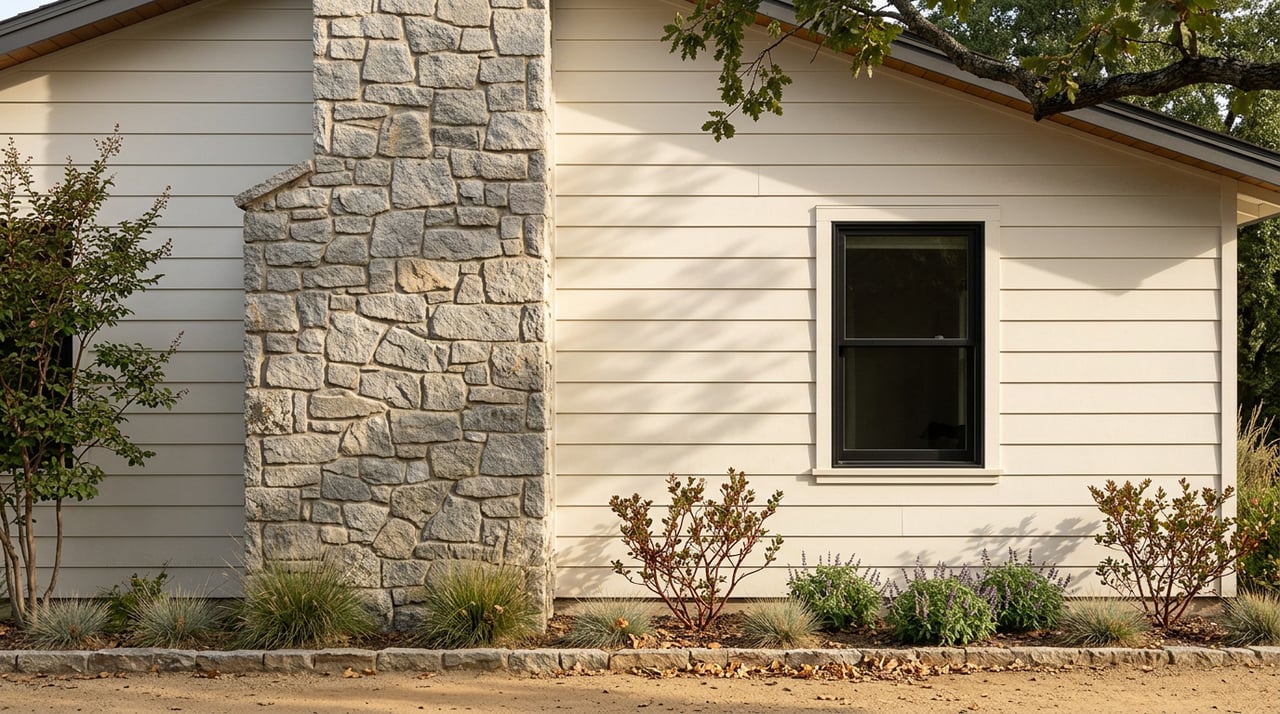
Selling a Springfield Estates Home: The Well and Septic Paper Trail That Now Decides Your Price
July 23, 2026
July 23, 2026
The Tuolumne County market that closed Q1 2026 is not the market a Springfield Estates seller listed into two years ago. Median sale price came in at $366,000, down five percent from a year earlier, with average days on market at 91 and roughly 6.9 months of inventory as of mid-April, according to the Tuolumne County Association of REALTORS® first-quarter report. That is a more balanced market than the one most current owners remember. In a balanced market, the buyer's inspection is not a formality. It is the pricing conversation.
For an acreage home in Springfield Estates on private well and septic, the pricing conversation is decided long before the inspector shows up. It is decided by whether a seller can hand the buyer a clean paper trail, a current licensed inspection, and a water test in gallons per minute. Everything below is about closing that gap before it opens.
Tuolumne County Environmental Health keeps the septic as-built and the well permit for your parcel on file at 48 W. Yaney Avenue in Sonora. Copies are $0.15 per page, and staff will also send them by email. Pull both before you interview agents. Two things happen when you do.
First, you find out whether your as-built is actually usable. The county's own Residential On-site Septic System study guide is direct about this: older systems may have no record drawing, no accessible tank lids, or a location that is difficult to determine, and in those cases the homeowner has to do more work to locate components. Second, you find out whether any prior repair permit was closed out. Since March 2024, all septic and well permits in Tuolumne County must be submitted through the county's OpenGov portal, so any recent activity on your parcel now sits in a digital record a buyer's agent can also request.
If the as-built is missing or unreliable, that is not a reason to wait. It is the reason to hire an inspector who will locate and draw the system as part of the report.
The county's ROSS program is designed to let a property owner evaluate a gravity or pump-to-gravity system every three years. It is a maintenance tool. It is not what a buyer's lender or a buyer's agent will accept at close.
The ROSS study guide states plainly that at the time of a property transfer, a licensed Operation, Maintenance and Monitoring specialist should conduct the inspection, and that an OM&M inspection includes items a homeowner walk-through does not: a flow test, a drawdown to verify timer settings on pressurized systems, and a pressure test where applicable. Pre-listing OM&M inspections in the region generally run $300 to $600, in line with national ranges reported by industry sources like The Septic Guide's 2026 seller guide.
The point of getting that inspection before you list is not the receipt. It is the sequence. When the licensed report is in the disclosure packet, the buyer's inspector confirms rather than discovers. That is the difference between a repair request and a price reduction demand.
Roughly two million California households rely on private wells, concentrated in the Central Valley and Sierra Nevada foothills. On any acreage listing in Springfield Estates, at least one of the offers you receive will come with FHA or VA financing attached, and the appraiser will look for three things a rural seller can prepare in advance:
The California Transfer Disclosure Statement already requires you to disclose known water quality problems, system age, and maintenance history. Concealing a known low flow rate or a prior contamination event is not a paperwork risk. It is a lawsuit risk under state material disclosure law.
Older Springfield Estates wells can flow fine in April and marginally in September. Test in the season the buyer will care about, and if the number is soft, replace the pressure tank or service the pump before the appraiser meets the property.
The Q1 2026 numbers reframe the math on pre-listing prep. When average sale price sits at $386,058 and days on market at 91, the cost of a proactive inspection is small relative to the cost of a mid-escrow discovery.
| Pre-listing move | Typical cost | What it prevents |
|---|---|---|
| Licensed OM&M septic inspection | $300–$600 | Buyer's inspector discovering a failed baffle or a saturated field first |
| Certified water quality test + flow test | $150–$400 | FHA/VA appraiser flagging insufficient GPM at week six of escrow |
| County as-built and permit history pull | Under $20 | Buyer's agent producing gaps the seller cannot explain |
| Drainfield surface cleanup | Seller labor | Visible red flags in listing photos and at showings |
| Drainfield replacement discovered in escrow | $5,000–$15,000+ | Nothing. This is the number you are trying to keep off the negotiating table. |
A drainfield replacement in the five-figure range is roughly the width of a full price concession on a median county sale. Buyers in a 6.9-month market know that, and they will price the risk into their offer whether or not there is actually a problem.
Every septic inspection begins outside, before anyone opens a lid. Clear the drainfield surface the week before photos and keep it clear through closing.
An inspector who walks up to a mowed, uncluttered field forms a different first impression than one who walks up to a cluttered one. That first impression is inside the report.
The headline the county association put on the quarter was stabilization, and that is fair on average. On a Springfield Estates parcel it is more specific. In a market with 6.9 months of inventory and a 91-day average time to sell, buyers have room to be selective, and rural-system homes get sorted into two piles: the ones with a clean paper trail and the ones without.
The homes with the paper trail move at or near list. The homes without get one of two responses. Either a lower opening offer that anticipates repairs the buyer has not yet identified, or a full-price offer with a septic and well contingency wide enough for the buyer to renegotiate after inspection. Either path costs the seller money that a $500 pre-listing inspection would have protected.
That is the pricing lever hiding in the paperwork. The septic report is not a disclosure. It is a negotiation tool the seller controls if they run the sequence in the right order.
Do I have to pump the tank before listing? Not by state law, but if the licensed inspector cannot see the inlet and outlet baffles, they will recommend pumping as part of the inspection. Doing it once, before the report, is cheaper than doing it twice.
What if I do not have an as-built on file? The county's environmental health office at 48 W. Yaney Avenue in Sonora can search their records for you. If nothing exists, the licensed OM&M inspector can locate the components and produce a drawing as part of their report. Buyers accept a current drawing in place of a missing original.
Is a water sample from the kitchen tap good enough? No. FHA and VA appraisers want a sample drawn from the well head or the pressure tank by a certified tester, with the lab report on letterhead. A tap sample can be influenced by the water heater and interior plumbing.
How long is a septic inspection valid? There is no statewide expiration in California, but most buyers and lenders will want a report dated within the last six to twelve months. If your home sits on market longer than that, refresh the inspection rather than argue the point at closing.
If you are thinking about listing an acreage home in Springfield Estates this year, the paperwork is the pricing strategy. Tuolumne Homes works Springfield Estates and the surrounding Phoenix Lake corridor every week, and we walk sellers through the well, septic, and county records sequence before a sign ever goes in the yard. When you are ready to see what your home is worth in this market, request your free home valuation and we will build the plan from there.
Stay up to date on the latest real estate trends.






Get assistance in determining current property value, crafting a competitive offer, writing and negotiating a contract, and much more. Contact me today.